Case Studies > General Simulation
Facade Optimisation for Thermal Comfort
| About | Façade optimisation of the Bundanon Bridge Accommodation, focusing on enhancing thermal comfort and reducing upfront embodied carbon. | 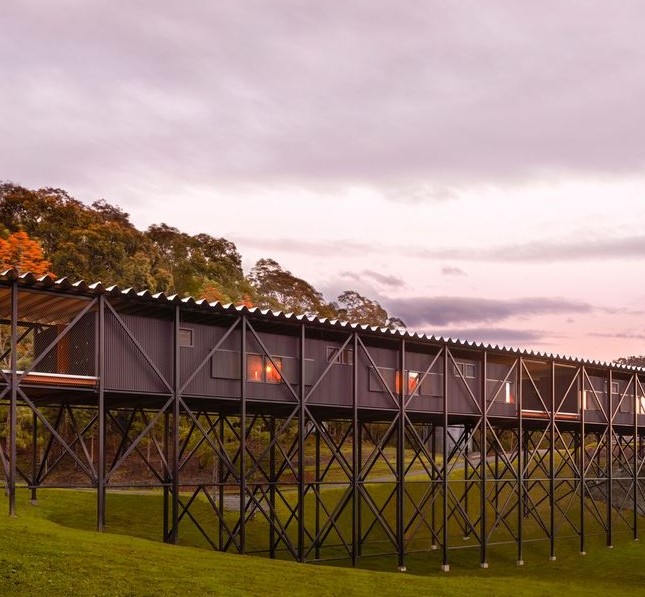 |
| By | Samiksha Bhardwaj and Vishal Yadav CEPT University, Ahmedabad, India. |
|
| Location | Illaroo, coastal NSW, Australia | |
| Category | Passive design, Thermal Comfort, Existing Building, Retrofit. | |
| Highlights |
|
Introduction
The Bundanon Art Museum & Bridge comprises a new art gallery, collection store, 32-room boutique hotel (bridge), and café within a 1100-hectare property along the Shoalhaven River. This retrofit project focused on passive design interventions in the bridge accommodation, a 110 m-long structure, as seen in Figure 1. The baseline façade design incorporates plasterboard internal finish, mineral wool insulation, and Colorbond external cladding, achieving a total wall R-value of 2.0 m2K/W. The east and west façades adopt a 30% window-to-wall ratio. At the same time, the north and south remain opaque, featuring horizontal aluminium external shades that are 500 mm deep and positioned 1000 mm above glazing head height.
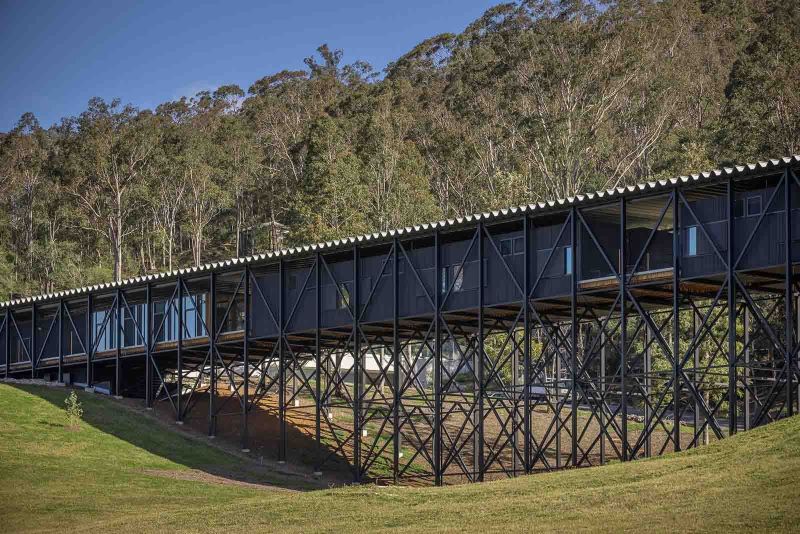
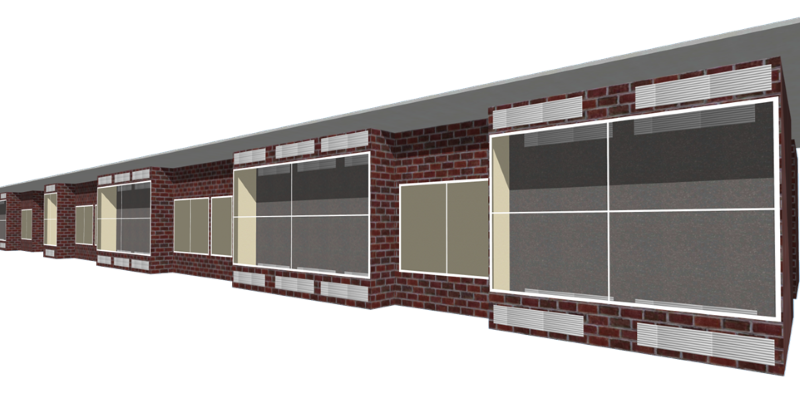
Figure 1: Bridge Accommodation and its DesignBuilder Model
The study began with a climate analysis, followed by a sensitivity analysis of the existing building design using DesignBuilder to identify the envelope components most influential on heating and cooling electricity demand. The existing building was then modelled and analysed to establish a performance benchmark. The next stage involved research and optimisation for design development, where alternative passive and active strategies were explored. The final design was derived through data-driven decisions made across multiple iterations, each informed by insights from the preliminary analysis.
Preliminary Study
A comprehensive climate analysis was carried out by plotting a 9-quadrant graph, as shown in Figure 2 below. This helped in understanding the local environmental conditions and seasonal variations impacting the building. Simultaneously, a preliminary sensitivity analysis of the existing building design was conducted to evaluate how different envelope components and building systems influence thermal performance. Together, these analyses helped identify the areas of concern and major challenges that need to be addressed to ensure optimal thermal comfort for occupants, guiding subsequent design and optimisation strategies.
9-Quadrant Climate Analysis
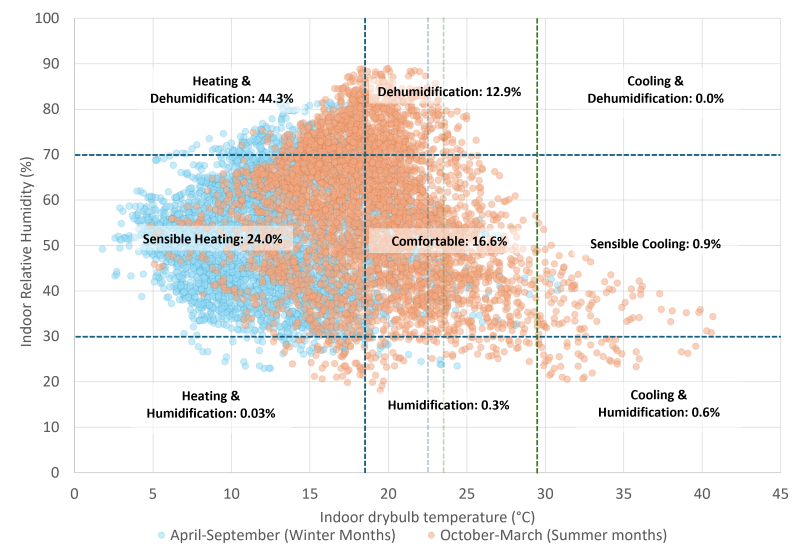
Figure 2: Climate analysis through 9 Quadrant analysis
The inferences drawn from the 9-Quadrant climate analysis show outdoor dry-bulb temperature vs relative humidity for Nowra, Australia, classified using the ASHRAE 55 adaptive comfort band. 16.6% of the outdoor conditions fall within this comfort zone, while the majority require sensible heating (24%) or dehumidification (12.9%). Seasonal trends reveal significant heating needs during winter (April–September) and minor cooling/ humidity control during summer (October–March).
Sensitivity Analysis of the Existing Envelope to Prevailing Weather
Using DesignBuilder’s built-in sensitivity analysis tools, multiple independent variables were tested to evaluate their impact on heating and cooling electricity consumption. The variable parameters selected for this analysis included Window-to-Wall Ratio (WWR), U-values of the roof, wall, and floor, and three variations of glazing SHGC. A total of 200 simulation runs were carried out to assess the influence of these envelope parameters.
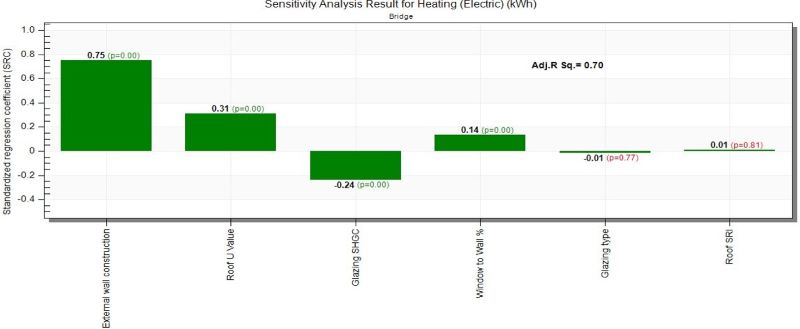
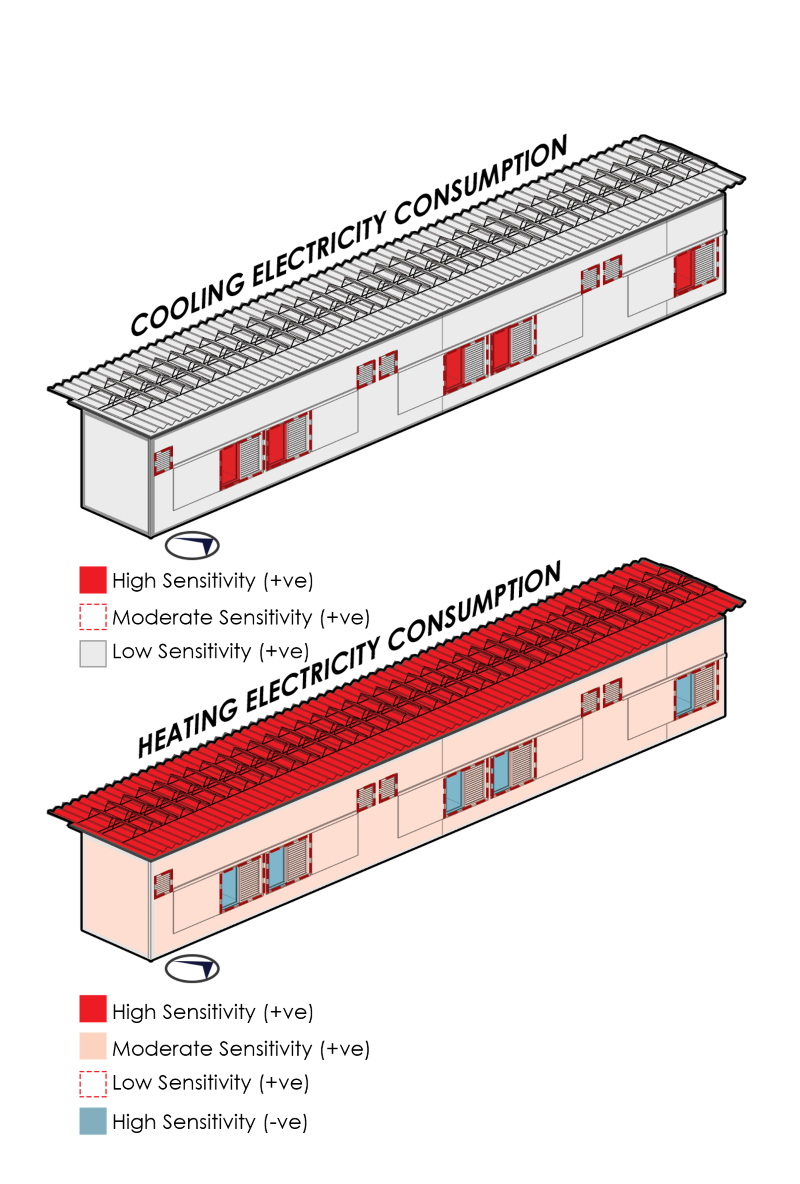
Figure 3: Sensitivity Analysis of envelope parameters on heating and cooling electricity
The results shown in Figure 3 indicate that, in the base case building, glazing SHGC is the most sensitive parameter, showing a strong positive correlation with cooling demand (SRC = 0.82) and a moderate adverse effect on heating demand (SRC = –0.24). The Window-to-Wall Ratio also significantly increases cooling demand (SRC = 0.47) and has a smaller impact on heating (SRC = 0.14). For heating electricity, the Roof U-value emerges as a sensitive factor (SRC = 0.31), while external wall construction also contributes notably (SRC = 0.75). Other variables, such as roof internal surface resistance and glazing type, showed negligible influence.
Design Optimisation Process
Optimising Comfort through Passive Interventions:
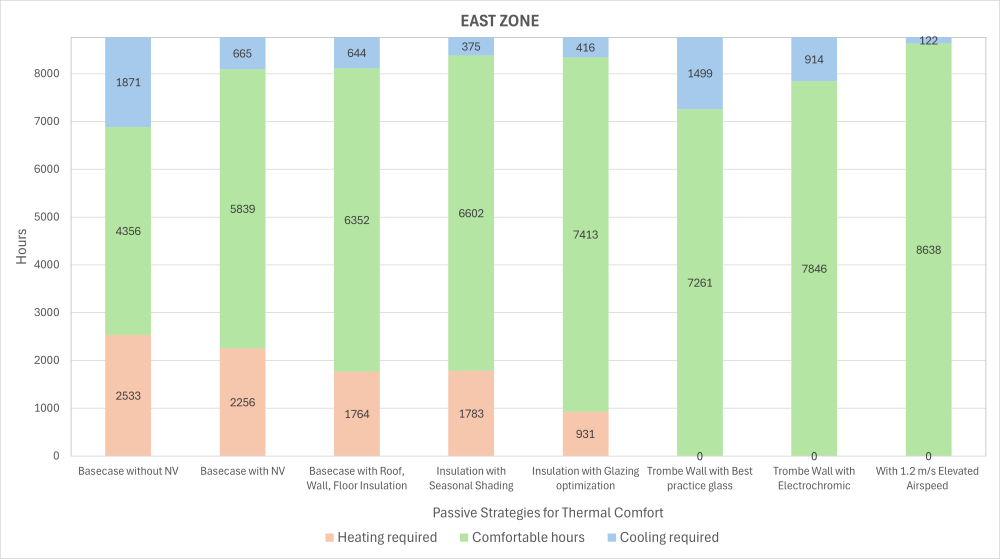
Figure 4: Comfortable Hours w.r.t. different passive strategies for the East Zone of the Bridge
An analysis was carried out to evaluate the impact of passive strategies on comfort hours in the Bundanon Bridge accommodation, as depicted in Figure 4. Compared to the base case, a 93.7% reduction in uncomfortable hours was achieved, decreasing from 4,140 hours to just 262 hours in the optimised scenario, and within the ASHRAE 55 – 90% adaptability band. The passive design integrates Natural ventilation for cooling in summer, insulation with seasonal shading, and a Trombe wall with electrochromic glass for passive solar gains in winter. Controlled vent operation (internal open, external closed) helped stabilise wintertime indoor operative temperatures to around 22 °C. During summer months, the electrochromic glazing of the Trombe wall tints dynamically to reduce solar gain by ~80%, while reversed vent operation (external open, internal closed) prevents overheating.
Passive Design Interventions
Modelling and performance evaluation were performed using DesignBuilder, where automated window operation was defined through a control strategy based on favourable outdoor environmental conditions. This enables a detailed representation of:
- Natural ventilation modelled using the ASHRAE 55 Adaptive Comfort model.
- Trombe wall assemblies and electrochromic glazing with seasonal adaptability.
- Hygroscopic materials to regulate indoor moisture and improve comfort stability.
Strategy 01 - Natural Ventilation with Hybrid Ventilation Control logic:
The hybrid ventilation control logic employs natural ventilation when outdoor conditions are favourable, that is, when the temperature difference between indoor and outdoor air lies between 3 and 15 °C and the outdoor air temperature is less than or equal to 27 °C, consistent with the ASHRAE 90% adaptive comfort band (see Figure 7).
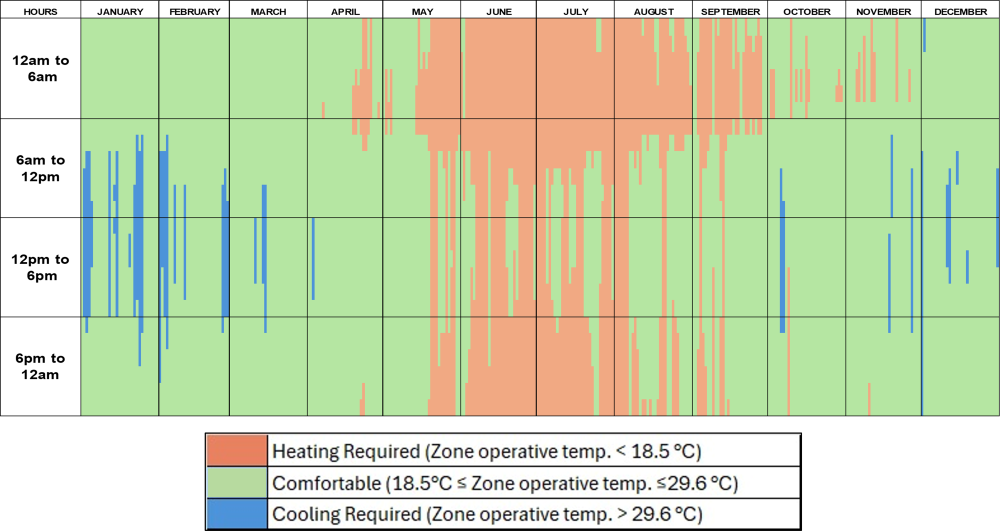
Figure 5: Zone operative temperature | Base case with NV (Top-hung openable Window)
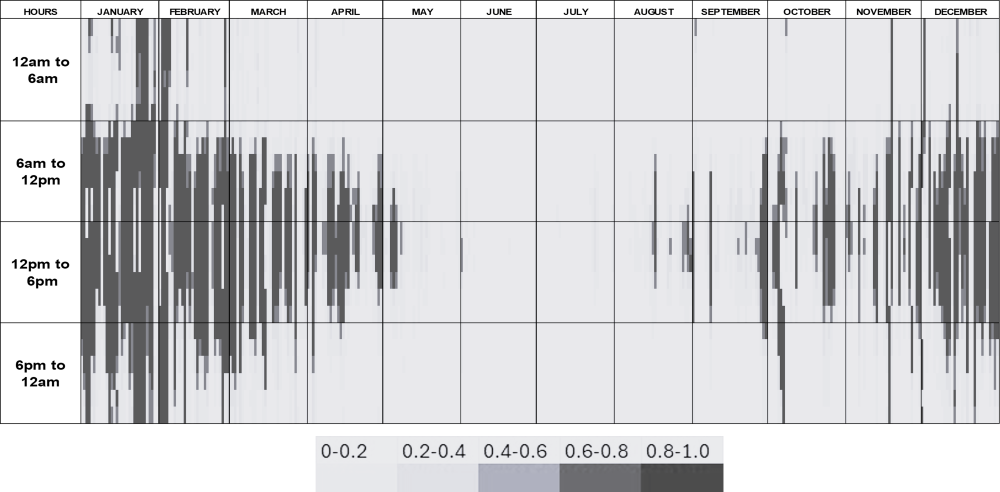
Figure 6: Window operation | Base case with NV (Top hung openable Window)
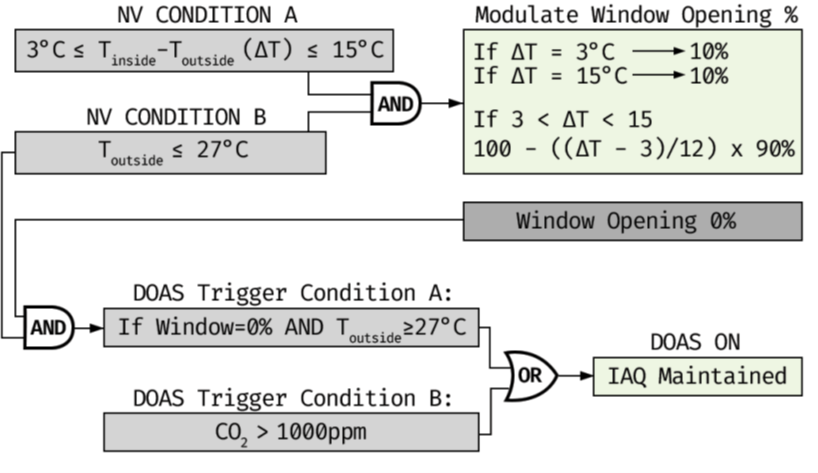
Figure 7: Hybrid Ventilation Operation Strategy
When conditions become unfavourable, windows are closed either because the outdoor temperature exceeds 27 °C or because indoor carbon dioxide concentrations rise above 1,000 ppm (parts per million), at which point the system switches to a Dedicated Outdoor Air System (DOAS) to maintain indoor air quality (Figure 7). The annual temporal outcome of this window modulation strategy is illustrated in Figure 6. By aligning window operation with the adaptive comfort band, annual thermal comfort increased by approximately 1,000 hours, while cooling demand was reduced by 71%. This demonstrates the effectiveness of adaptive natural ventilation.
Strategy 02 - Trombe Wall Assembly with Electrochromic Glazing:
A Trombe wall with electrochromic glass was modelled in DesignBuilder to harness passive solar heat gains in winter while minimising overheating in summer, resulting in 7,954 annual comfort hours. The Trombe wall was represented by creating additional cavity zones outside the internal thermal zones, allowing a realistic simulation of heat transfer through radiation and convection.
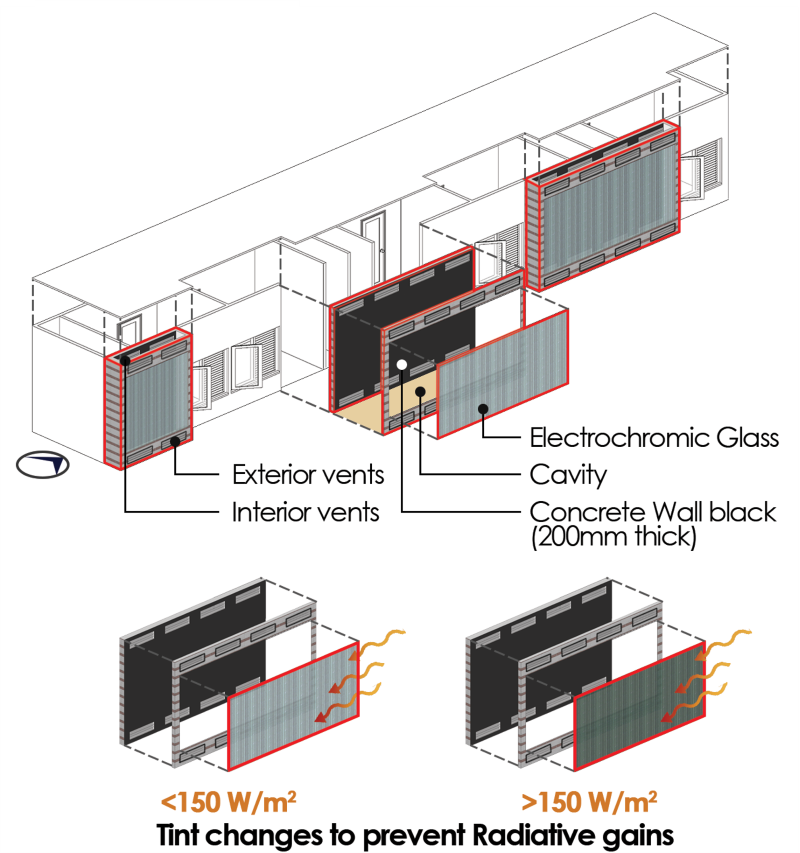
Figure 8: Trombe Wall Assembly with Electrochromic Glazing
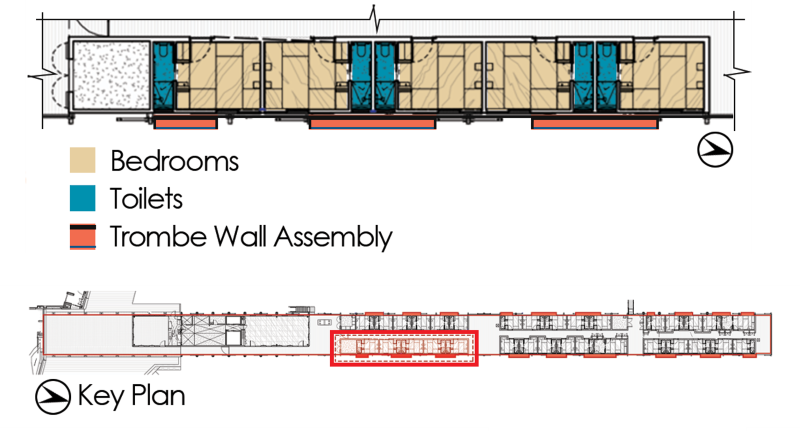
Figure 9: Placement of the Trombe Wall in the Bridge
Figure 8 illustrates the venting strategy seasonal control:
- Winter operation: Internal vents were kept open to support convective heat transfer into occupied zones, while external vents remained closed to trap solar heat within the cavity. The effect was enhanced by the high thermal mass surface painted black, which absorbed and slowly released heat.
- Summer operation: Internal vents were closed, and external vents were opened to expel accumulated hot air from the cavity. Simultaneously, the electrochromic glazing on the exterior of the Trombe wall changed tint to block up to 80% of incoming solar radiation, thereby reducing radiative heat gains and preventing overheating.
This approach ensured effective seasonal adaptability, with the strategic placement of the Trombe wall (Figure 9) serving as a passive heating system in winter and as a controlled, ventilated buffer zone in summer.
Strategy 03 - Hygroscopic Materials Regulate Indoor Moisture and Improve Comfort Stability:
The internal finish of the wall is made of gypsum because its hygroscopic nature effectively buffers indoor humidity. The hygroscopic properties of gypsum are modelled using the Effective Moisture Penetration Depth (EMPD) model. This approach represents the material as two fictitious layers — a surface layer for short-term moisture exchange and a deep layer for slower buffering — allowing the simulation of dynamic moisture interactions with indoor air.
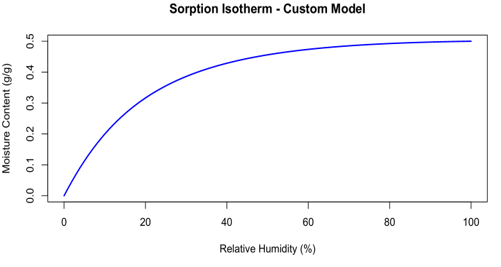
Figure 10: Sorption Isotherm Curve for Gypsum
Key parameters for modelling gypsum include the sorption isotherm coefficients (a = 2.5, b = 1, c = 4, d = 1.2), the sorption isotherm curve shown in Figure 10, the surface layer penetration depth, the effective moisture penetration depth, the thermal conductivity, and the vapour diffusion resistance factor. These are defined in the Moisture Transfer component of DesignBuilder, enabling the software to calculate how gypsum absorbs moisture when indoor relative humidity rises and releases moisture when the air is dry.
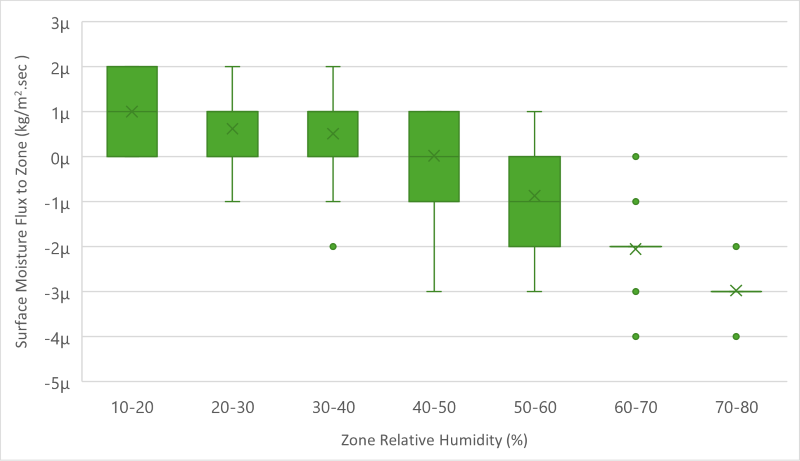
Figure 11: Hygroscopic behaviour of Gypsum
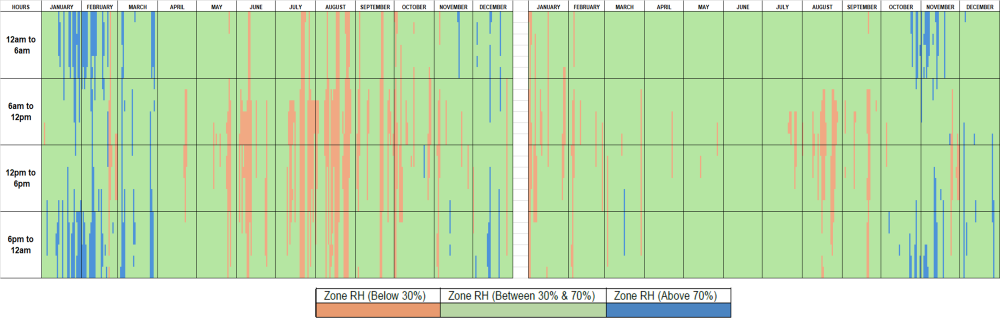
Figure 12: Variation in Zone relative humidity with (right) and without (left) Gypsum finish
This dynamic moisture exchange stabilises indoor humidity levels, improving comfort. Simulation results in Figure 11 showed that comfort hours increased from 7,188 to 8,153, while dehumidification hours decreased significantly from 475 to 177 (Figure 12). This demonstrates its effective role in improving indoor comfort and reducing the demand for mechanical humidity control.
Building’s Final Performance
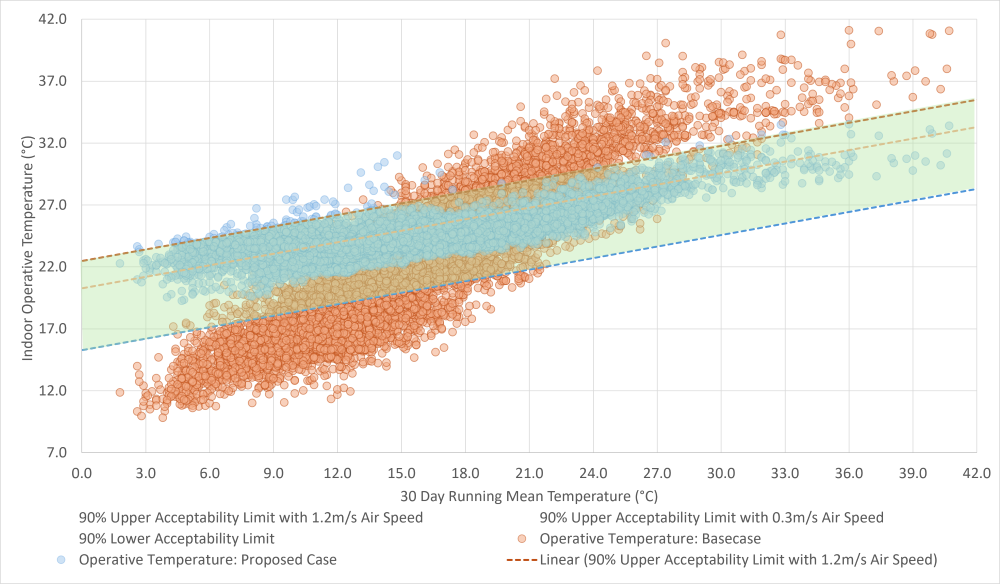
Figure 13: 90% adaptability comfort band as per ASHRAE 55 – East Zone 2
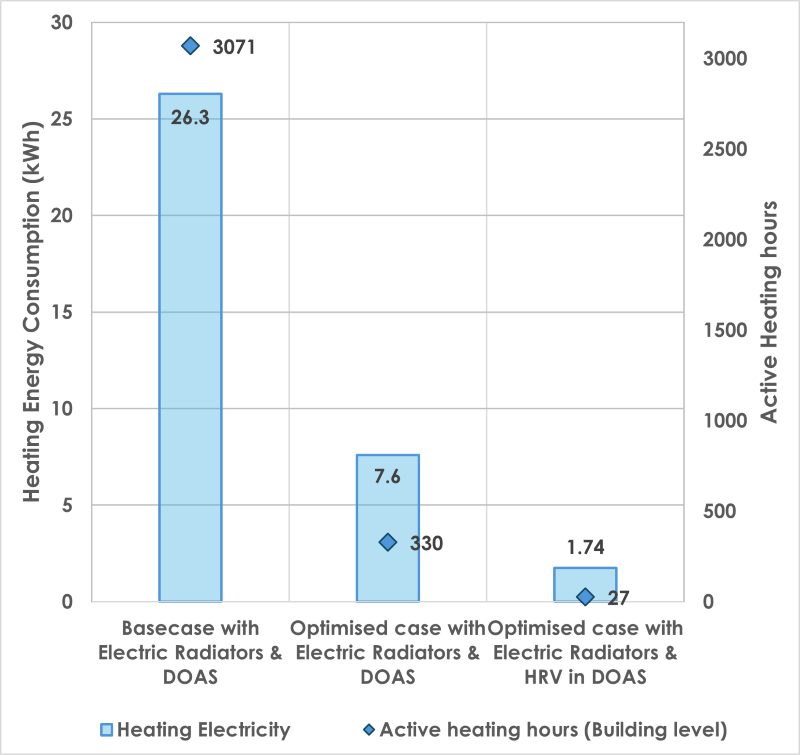
Figure 14: Active Heating hours through different cases
The results in Figure 13 indicate that integrating passive design measures with optimised active systems significantly enhances building energy performance while maintaining occupant comfort. In the base case scenario with electric radiators and a DOAS, the annual heating electricity consumption was 26.3 kWh with 3071 active heating hours. By implementing optimised design measures, the demand was reduced to 7.6 kWh with 330 active heating hours. Further optimisation through the introduction of a heat recovery ventilation (HRV) wheel within the DOAS lowered the annual heating electricity consumption to 1.74 kWh and reduced active heating hours to just 27, as shown in Figure 14. This represents a 93.4% reduction in heating energy use compared to the base case.
Notably, all scenarios with optimisation achieved zero unmet heating hours, complying with ASHRAE Standard 90.1 requirements for unmet hours. These findings demonstrate that a combination of cumulative passive strategies and high-efficiency ventilation systems can substantially reduce operational energy requirements while ensuring acceptable indoor environmental conditions across varying outdoor temperatures.
The second part of this study presents the Integrated HVAC retrofit and off‑grid renewable energy system for the Bundanon Art Gallery.
|
About the authorsSamiksha Bhardwaj, CEPT University With a background in architecture and expertise in passive design strategies and energy-efficient building practices, I am currently pursuing advanced skills in designing sustainable buildings, with a focus on optimising comfort, reducing energy consumption, and integrating climate-responsive solutions. Through research, collaboration, and innovative design approaches, the goal is to contribute to the creation of sustainable built environments that align with global energy efficiency and net-zero objectives. Email: samikshab35@gmail.com LinkedIn: www.linkedin.com/in/arsamiksha20
Vishal Yadav, CEPT University With a foundation in architecture and certifications as an IGBC Accredited Professional (AP) and LEED Green Associate (GA), I am dedicated to advancing sustainable building practices. Currently pursuing a Master of Technology in Building Energy Performance at CEPT University, I aim to deepen my expertise in optimising energy efficiency and occupant comfort. My focus encompasses climate-responsive design, energy modelling, and the integration of renewable technologies. Through research and collaboration, I aspire to contribute to India's net-zero goals and the global transition to sustainable built environments. Email: vy30301@gmail.com LinkedIn: www.linkedin.com/in/thinkstervishal/ |